


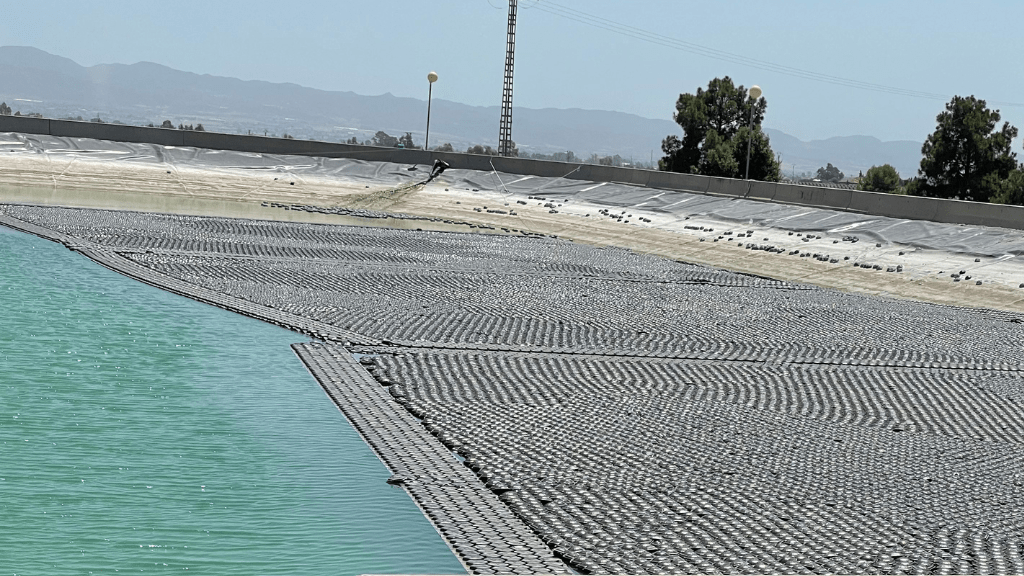
CTC has developed an advanced measuring instrument designed to enhance the efficiency of the monitoring system in the LIFE H2OLOCK project. With the integration of artificial intelligence, this solution facilitates calculating how the cover will respond to windy conditions and how exposed areas impact the project’s efficiency. This breakthrough significantly boosts the robustness of the results from this European research initiative, primarily aimed at controlling water evaporation from irrigation ponds.
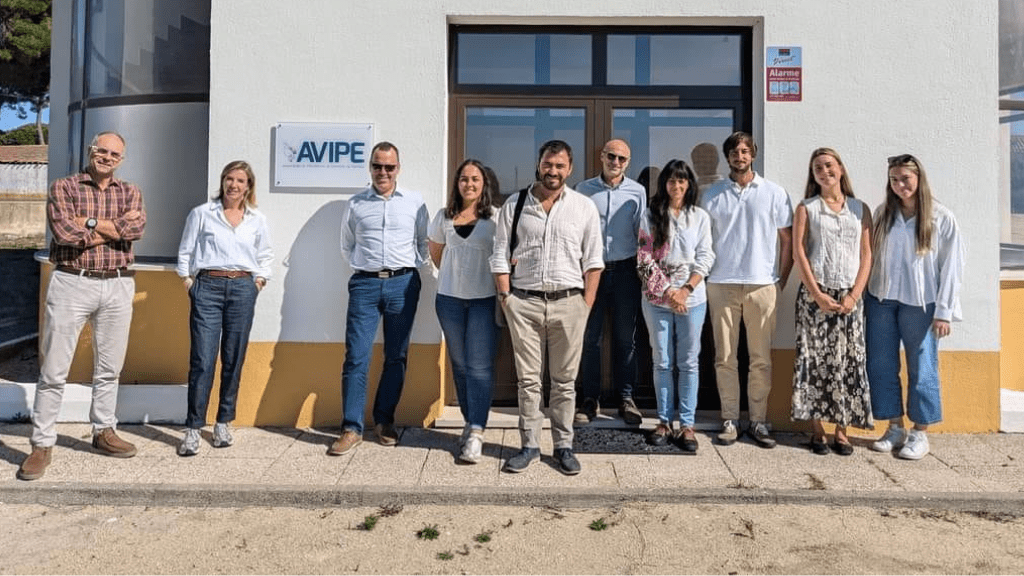
The announcement was made by project leaders at CTC, including Verónica González de Lena, Head of the Industry and Energy Division, and Alejandro Pérez, Project Manager, during the project’s General Assembly Meeting. All consortium partners attended a meeting in Setúbal to assess progress, analyse overcome challenges and plan future steps.
One of the key objectives of the meeting was the review of monitoring activities at the demonstration sites, a task spearheaded by CTC. Monitoring data from the selected irrigation ponds is a cornerstone of this proposal, enabling the assessment of the real effect of the technologies being developed on efficient water management and mitigating climate risks such as droughts. Although the project is ongoing, the data collected so far already indicate a significant reduction in water evaporation.
The system at the La Jeresa reservoir, managed by the Lorca Irrigation Communities, is technically more sophisticated and has been operational for a longer time. Here is where this powerful AI tool has been deployed. The solution can detect areas left uncovered by the cover system during windy conditions and calculate the effect of these exposures on the efficiency of the cover.
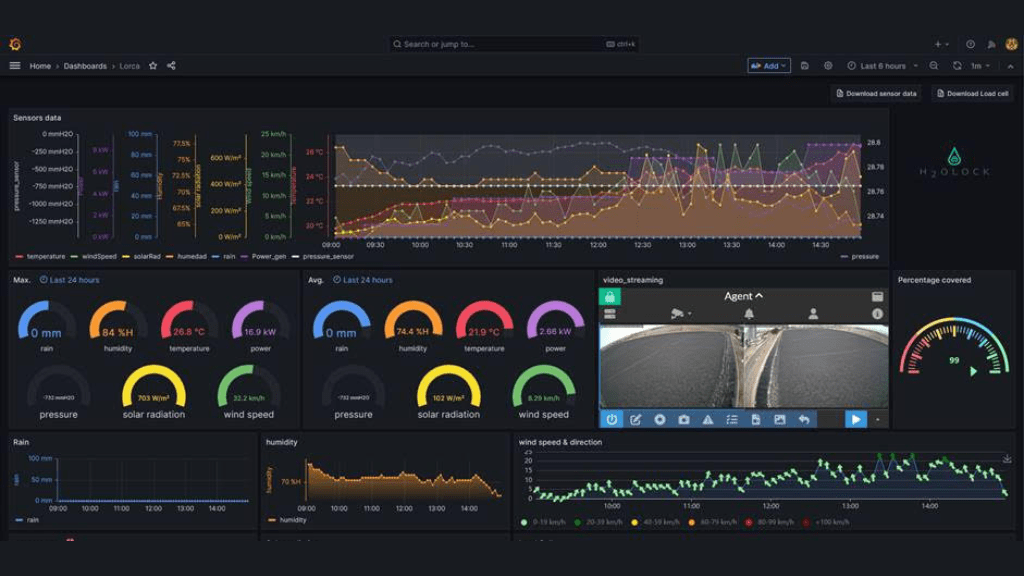
Besides, at this site, various data collection methods are employed: a weather station monitors environmental parameters; load cells record the forces exerted on the pond’s boundary systems; pressure sensors gauge evaporation levels; cameras capture images to correlate with the pond cover’s surface area; and a small floating photovoltaic plant tracks the power generated. All these sources of information provide real-time data and are the basis for future tools to prevent water scarcity situations.
The Portuguese demonstration site generates a lower volume of data. The consortium partners visited the reservoir to observe first-hand how the technologies–including the floating modules and the monitoring system–are helping to optimise water resource management in agriculture.
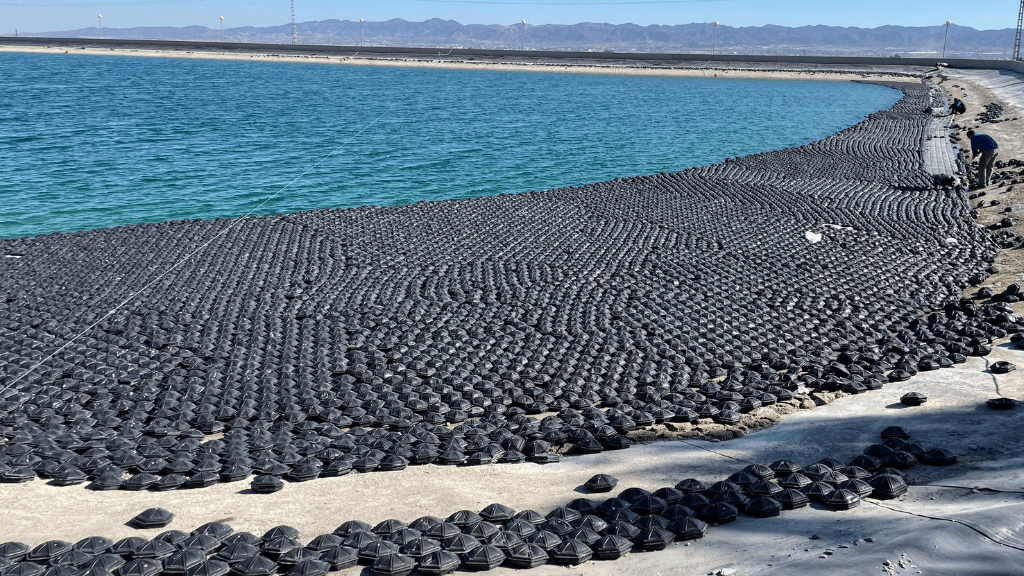
A workshop was also conducted where CTC detailed how artificial intelligence-based methodologies could enhance farmers’ control and decision-making capabilities in their agricultural systems. There were also presentations on irrigation technologies for perennial crops, where field experts and local stakeholders discussed the water requirements of the region and the potential applications of the solutions being developed at H2OLOCK.
LIFE H2OLOCK has been allocated a budget of EUR 1.8 million to develop an innovative concept for the sustainable management of agricultural ponds. Installing a modular roof not only shields the water from evaporation but also facilitates the integration of photovoltaic cells for renewable energy production.
Should the anticipated outcomes be realised, this innovative solution could diminish water evaporation by as much as 85-90%, promote energy self-sufficiency on irrigated farms and reduce algae growth without resorting to algaecides.
To achieve these objectives, the initiative is supported by a consortium comprising a European interdisciplinary team. This includes Arana, the coordinating company known for pioneering sustainable water pond coverings for agricultural use in Europe; the Lorca Irrigation Community (Comunidad de Regantes de Lorca, CRL), among Spain’s largest irrigation communities; ‘Avipe, the Portuguese Farmers’ Association with a focus on the vine sector; Arada, an engineering firm specialising in hydraulic infrastructures with expertise in water and energy conservation projects; Global Factor International, a consultancy firm specialising in climate neutrality and sustainability; and the CTC Technology Centre.


