


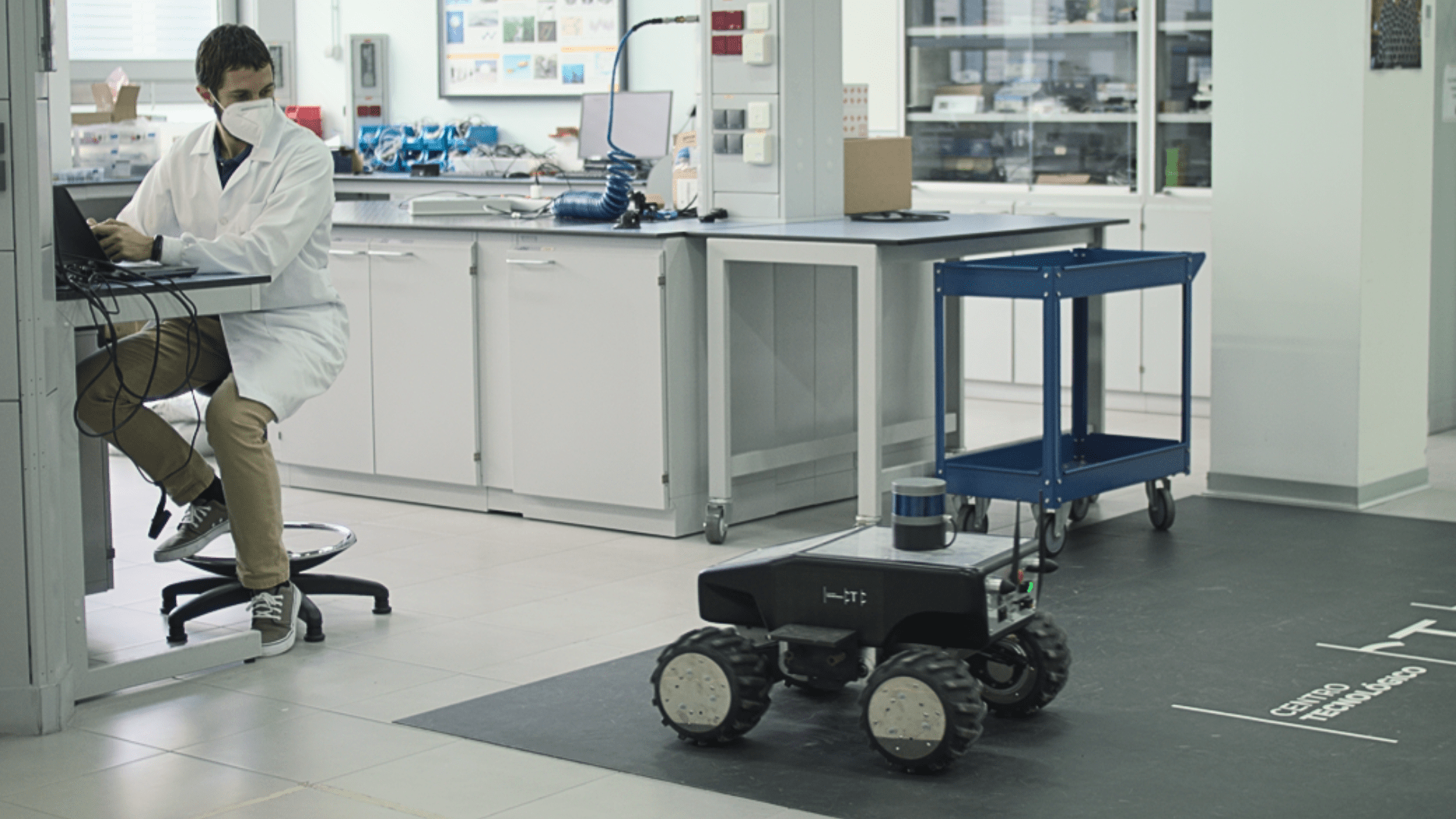
As one of five Spanish centres participating, the CTC is involved in the FABRICARE project “Collaborative, Safe and Intelligent Manufacturing through Advanced Interfaces, Robotics and Digital Twins”, a premier training programme designed to enhance expertise in smart manufacturing within collaborative settings. This initiative seeks to catalyse the Spanish industrial sector, with projections indicating a 15.5% increase in revenue from corporate contracts.
FABRICARE, supported by a budget of 3.47 million euros, is scheduled for completion in June 2025. It falls under the Cervera Grants for Technology Centres 2023 – NGEU, within the ambit of “Knowledge Transfer” Investment 5 of Component 17 in the Recovery, Transformation, and Resilience Plan.
The consortium unites five national research centres, each with research priorities fully aligned with advancing enabling technologies. The members, formed on the principles of excellence and complementarity, include the CEIT Technology Centre Association; AIDIMME ; IKERLAN; TECNALIA ; and the CTC Technology Centre.
Three centres from the Basque Country and one from the Valencian Community will collaborate with the CTC to develop the project’s enabling technologies comprehensively. This strategic partnership aims to investigate research avenues that assist companies in enhancing their processes, reducing operation times, and bolstering safety measures.
Should the consortium achieve its expected outcomes, FABRICARE will mark a significant progression in the international technological landscape, showcasing advancements in digital twins, human-machine interfaces, and collaborative and mobile robotics. This high level of specialisation will position the participating partners as benchmark experts within the productive fabric and as strategic allies for industries related to sectors such as aeronautics, aerospace, automotive, food, energy, telecommunications and major scientific installations.
This collaboration among consortium members is anticipated to bolster revenues from private contracts by 15.5%. In concrete terms, with the collective effort of all involved centres, revenue is projected to rise from the current €11.38 million to €13.15 million by June 2025
An international benchmark in mobile robotics
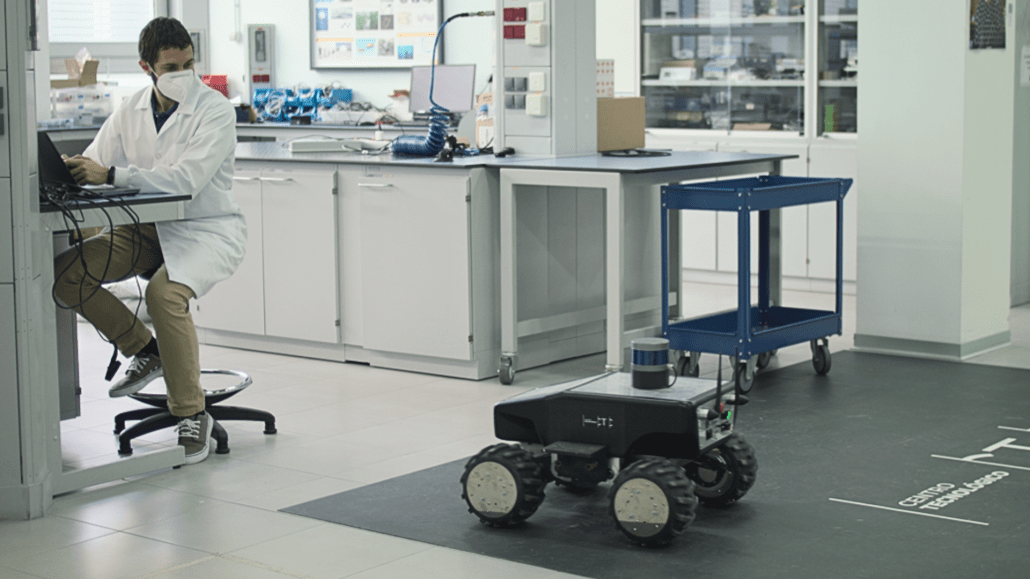
The CTC is focusing on developing algorithms that facilitate the use of mobile robots in various settings, including indoor and outdoor environments. This initiative will also see the full integration of mobile robot simulators and navigation tools with digital twins.
 A key aspect of this project involves overcoming the challenges associated with the localisation and navigation of autonomous mobile robots engaged in collaborative tasks within industrial settings.
One of the primary research avenues will explore enhancing the resilience of robotic agents to environmental changes, whether indoors or outdoors. Achieving this stability is critical for establishing a robust navigation system capable of effective route planning and obstacle avoidance. The system will also adeptly handle unexpected physical phenomena or extreme operational conditions that could affect its functionality.

This marks the second occasion that the CTC has engaged in a project associated with the Red Cervera’s grant line. This prestigious network plays a pivotal role in boosting the capabilities of technology centres to champion sectors deemed crucial for the nation’s economic progression. The CTC’s involvement in the MIRAGED project in 2019 significantly bolstered its status as a leading national authority on digital twins for structures and mechanical components.
Further specialisation in advanced simulation and methodologies based on artificial intelligence contributed to a noteworthy increase of over 15% in funding secured through competitive projects related to digital twins. A prime illustration of this strategy is the research commissioned by the European Space Agency , wherein the CTC employs a combination of AI techniques and advanced simulation to expedite the evaluation process for batteries used in aerospace applications.


