


CTC is pioneering a new controlled-release fertiliser system that uses nanoparticles and biochar. It is part of the European AGRO4AGRI project, which aims to maximise fertiliser efficiency and deliver specific nematicides to enhance the growth of various species. The initiative, supported by the Horizon Europe Programme, has received funding exceeding 5.3 million euros to boost sustainable agriculture with advanced agrochemical solutions for nutrition and crop protection.
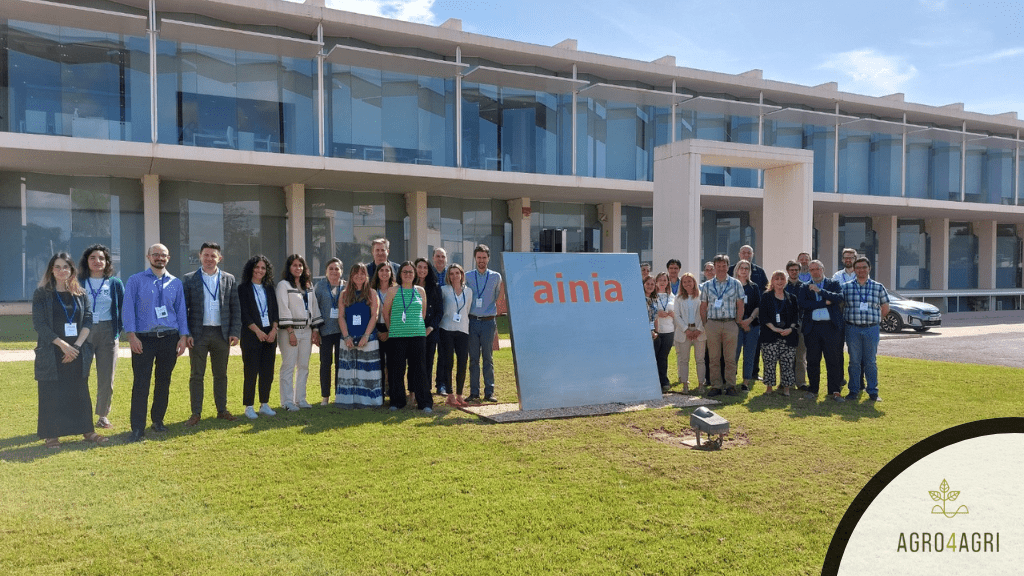
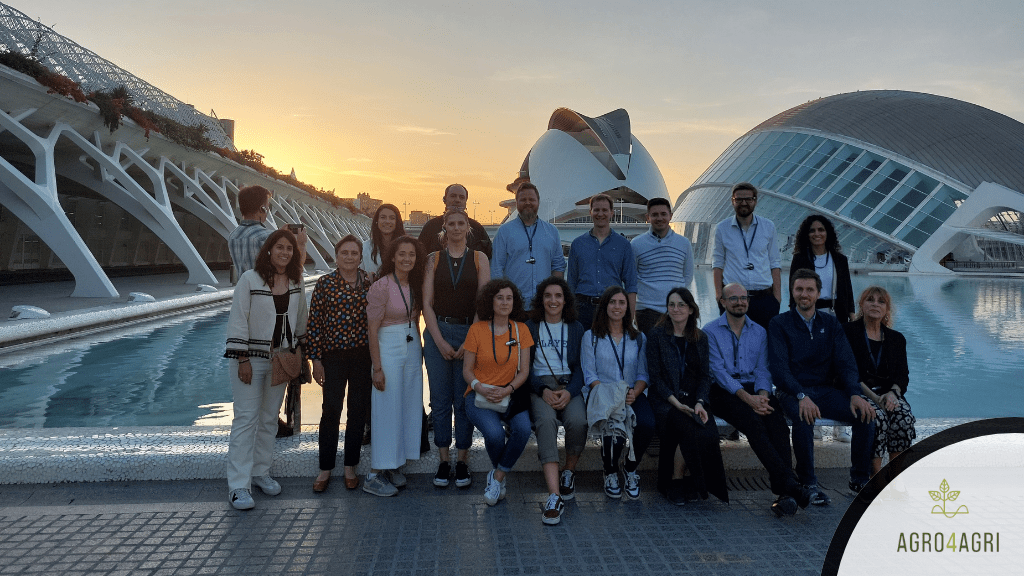
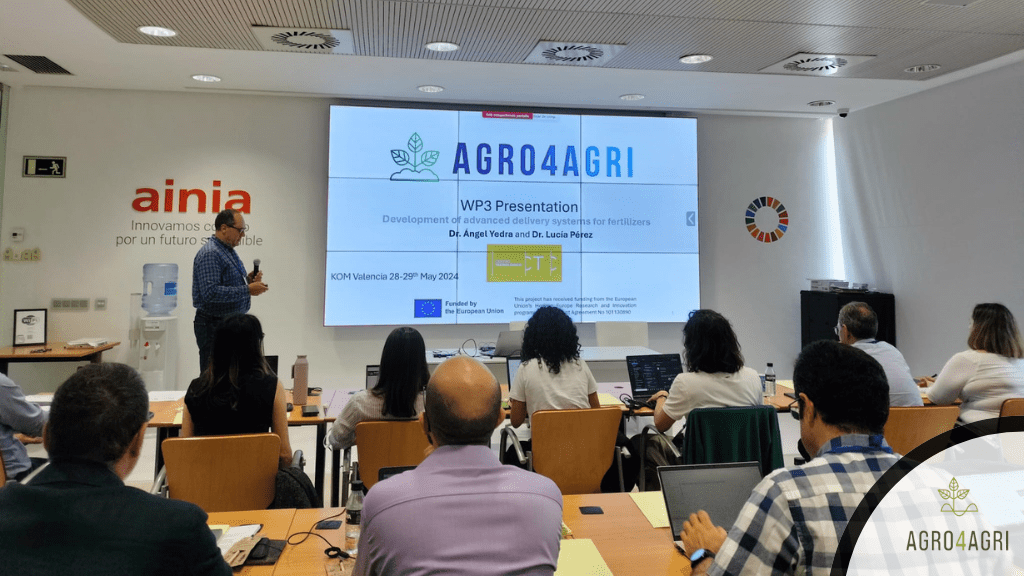
The inaugural meeting, recently held in Valencia, marked the first major collaboration among the thirteen consortium members. AINA, a Valencian technology centre specialising in the agri-food sector, leads this research. Involving partners from seven different countries, the project seeks to forge a new route towards more efficient and environmentally friendly agriculture.
In that sense, the R&D and validation phases of AGRO4AGRI are anticipated to reduce nutrient use in agriculture by more than 40% and pesticide usage by over 50%. These outcomes are in complete harmony with current initiatives such as the European Green Deal, the Common Agricultural Policy (CAP), the Farm to Fork Strategy and the UN Sustainable Development Goals.
AGRO4AGRI has a planned duration of 48 months, during which CTC’s Advanced Materials and Nanomaterials team will focus on pioneering ways to enhance fertiliser efficiency. Specifically, they are employing cutting-edge technologies involving inorganic nanoparticles (mesoporous silica and nano clay) and bio-based materials (biochar) to develop a slow and controlled-release system for fertilisers. With these innovations, field trials will be conducted on various crops, including maise, tomato and watermelon, both in Spain and other European countries such as Belgium. AGRO4AGRI is poised to significantly influence the primary sector by proposing a substantial reduction in environmental impact compared to traditional agricultural practices.
Fertilisers and pesticides are crucial for crop production these days. However, conventional agrochemicals exhibit low bioavailability and poor precision in reaching their targets. In response, the project has aimed for a slow release of up to 30 days compared to conventional fertilisers that release nutrients over 4 to 10 days. This advancement will enable more effective use of nutrients such as nitrogen and phosphorus, reduce the number of application cycles and significantly diminish the leaching of agrochemicals into the soil and groundwater, thereby reducing agriculture’s overall environmental footprint.
The excessive use of fertilisers and pesticides has reached a plateau in terms of enhancing agricultural yields, which not only leads to substantial economic losses but also has severe environmental repercussions. Recent studies suggest that up to two-thirds of fertilisers end up leaching into the natural environment, contributing to approximately 385 million cases of pesticide poisoning and around 11,000 deaths annually worldwide. Moreover, Europeans spend about 2.3 billion euros each year in such practices.
If successful, the research will benefit issues such as soil contamination and degradation, reduce water consumption, enhance the efficiency of agrochemicals, lessen pollution in water bodies and promote a European transition towards more sustainable food systems.
By adopting the Safe and Sustainable by Design (SSbD) framework and assessing social readiness, the project also aims to deliver sustainable and innovative solutions, positioning Europe at the forefront of agribusiness. In this context, AGRO4AGRI will boost industrial competitiveness and EU leadership in the sustainable agri-food sector by commercialising innovative solutions driven by the growing focus on sustainable agriculture and the demand for safe products in both EU and global markets.
Innovative solutions for the agricultural sector
CTC’s involvement in this European research project enables the Cantabrian Centre to advance its portfolio of innovative solutions for the primary sector. Alongside this initiative, the Cantabrian Centre is also spearheading the development of Fortexval, an innovative forest management model designed to enhance forest resilience against natural risks, support population retention and generate green employment in rural areas. This approach introduces a novel perspective on adding value to agroforestry resources, using technologies with a low carbon footprint to deliver triple benefits.

CTC Technological Center research efforts are in line with key strategies aimed at advancing the digitisation of the primary sector. As Cantabria’s sole technology centre, CTC has led initiatives that employ autonomous robotics and artificial vision to detect pests in crops, as demonstrated in the European GreenPatrol project. The solution is capable of precise navigation within 20 centimetres in indoor environments and early detection of pests affecting staple crops such as peppers and tomatoes.
CTC is also a key participant in the H2OLOCK project consortium, which aims to optimise water resources in agricultural reservoirs located in arid environments and reduce water evaporation by up to 80%. In this research, the Centre is developing a remote monitoring system to oversee reservoir covers. The innovation of this initiative is projected to reduce installation and maintenance costs by 30% compared to conventional technologies.
Moreover, CTC boasts a rich history of deploying machine learning systems for farming processes, monitoring environmental conditions in agricultural settings and using advanced simulation and digital twins. These technologies enable instant forecasting and scenario planning, assisting farmers in visualising the effect of several factors such as rainfall, temperature and light conditions on their crops.

