



The CTC Technology Centre is advancing a methodology to accelerate the innovation cycle of lithium-ion batteries in the aerospace sector. The project seeks to leverage emerging technologies from terrestrial applications to establish guidelines and recommendations that facilitate their adaptation to the stringent requirements of space components. This initiative marks the third involvement of the Cantabrian Technology Centre with the European Space Agency and the second time it has led a consortium.
Under the project title “METHODOLOGY DEVELOPMENT TO ACCELERATE THE INNOVATION CYCLE OF LI-ION COTS CELLS (METHOD)”, this two-year initiative, funded with €750,000, represents a pioneering collaboration among four continental entities. Under the coordination of CTC, the consortium for this initiative, which will be running until March 2026, also includes the CIDETEC Foundation, the French battery company Saft, and the German engineering company OHB System AG.
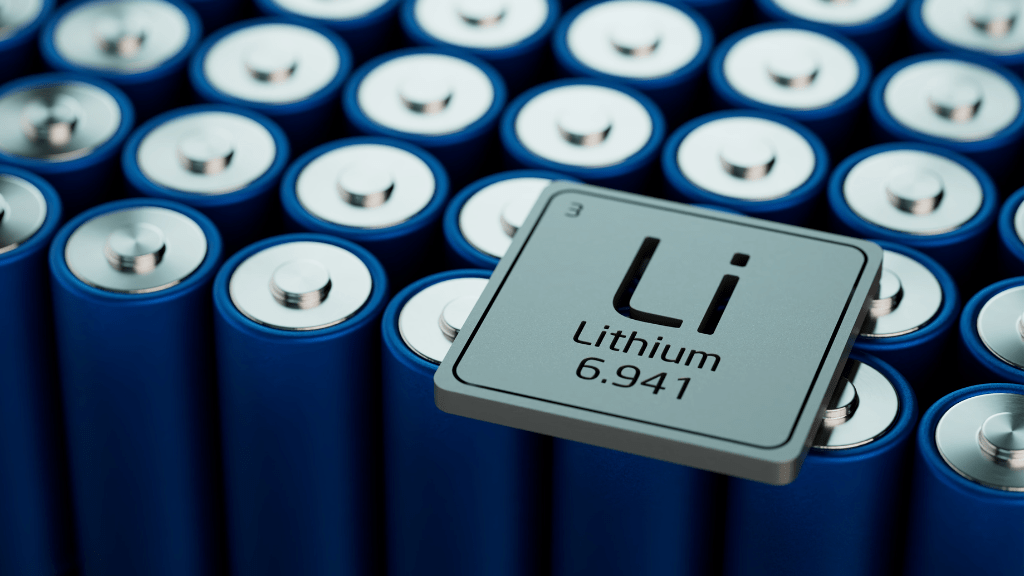
The proposed methodology seeks to evaluate and enhance traditional Commercial Off-The-Shelf (COTS) lithium-ion cell development processes to meet the rigorous demands of the space environment. The goal is to reduce both time and costs in the design and development cycle of cells specifically engineered for space applications using innovative techniques based on artificial intelligence.

The technical objectives of the project include conducting market research on lithium-ion battery cells and modules, performing a comparative analysis of the innovation cycles in terrestrial and space sectors, and implementing a test sequence tailored to space requirements. This methodology is anticipated to achieve a Technology Readiness Level (TRL) 3, which will provide proof of concept and facilitate a significant advancement in the feasibility and efficiency of batteries predominantly used in satellites and other space components.
In addition to substantially enhancing the usage of these components within a technologically advanced sector, the initiative is expected to contribute to an ECSS (European Cooperation for Space Standardisation) standard, establishing European guidelines for the use of lithium-ion cells in space.
This technical standard, actively promoted by ESA in collaboration with European industry and other international organisations, aims to guarantee the quality, reliability and safety of products and processes used in European space missions. They offer a common framework for cooperation among various stakeholders involved in the development, launch and operation of space missions, ensuring interoperability and compatibility among different components and systems. Should the anticipated results be realised, this research will yield guidelines for the implementation and use of this type of battery.
Third project with the European Space Agency
The METHOD project reinforces CTC’s position as a premier technology centre of continental significance in the development of batteries for the space sector. This marks the third initiative spearheaded by the European Space Agency with direct involvement from the Cantabrian Technology Centre.
The first of these aims to shorten the analysis time for battery cells used in space from the current two years to less than five months. In this research, CTC collaborates with the CIDETEC Foundation, integrating methodologies for the analysis and testing of the cells with artificial intelligence and advanced simulation techniques. This approach will accelerate the process and optimise the data collected during analyses.
The Cantabrian centre is also part of an international working group that is researching conductive materials designed to mitigate the harmful effects of electrostatic charge accumulation in onboard components of space systems. In this case, the international engineering company ALTER Technology leads a project in which, alongside CTC, the Consejo Superior de Investigaciones Científicas (CSIC) and DHV Technology, a company specialised in producing solar panels for the aerospace sector, are also participants.
The expertise and experience demonstrated by the CTC Technology Centre in these and other energy storage-related projects have culminated in its inclusion in BatteryPlat It is a technological platform that unites the main Spanish entities involved in this sector. Joining this network of over 100 entities has enabled the Cantabrian Centre to become part of a cutting-edge community that shares a common agenda to advance the development of this field in our country. In fact, it is the sole representative from the region in this consortium.

