The CTC Technology Centre has unveiled an innovative system designed to enable the controlled-release of fertilisers without causing any environmental impact. This development is one of the key milestones of the European AGRO4AGRI project, which seeks to deliver agrochemical solutions that are both biodegradable and safe for farmers. The initiative, part of the Horizon Europe Programme and supported by €5.3 million in funding, promotes sustainable agriculture by advancing technologies that protect crops while reducing the need for agricultural inputs.
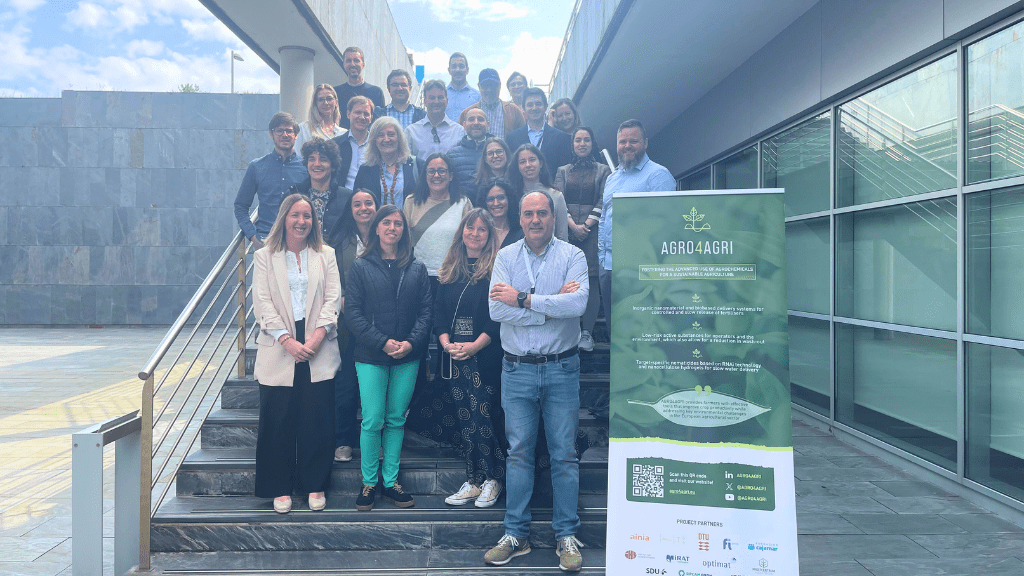
AINIA, a Valencian technology centre with 35 years of experience in the agri-food sector, leads a consortium comprising twelve other organisations from seven different countries. As the only representative from Cantabria, CTC hosted the two working sessions of the project held in Santander, two intensive days during which around thirty researchers shared the progress made in the first year of research. The aim is to pave the way for a more efficient form of agriculture with a reduced environmental footprint.
AGRO4AGRI aims to develop a new generation of advanced fertilisers and pesticides based on innovative materials, including nanotechnology and bio-based compounds, designed to maximise the efficiency of crop nutrition and include targeted pesticides, specifically nematicides, to support the development of various plant species. If the expected results are achieved, the use of conventional pesticides could be reduced by more than 50%.
In this regard, the technologies developed to date remain at a low level of maturity, and their long-term effectiveness has yet to be fully evaluated. AGRO4AGRI seeks to take a step forward by testing its solutions in real-world conditions. The initial field trials will be conducted on maise, tomato and watermelon crops in Spain (Valencia and Salamanca), Belgium and Italy. However, the ultimate goal of the project is to extend these new developments to a broader range of crops and diverse locations.
The role of CTC
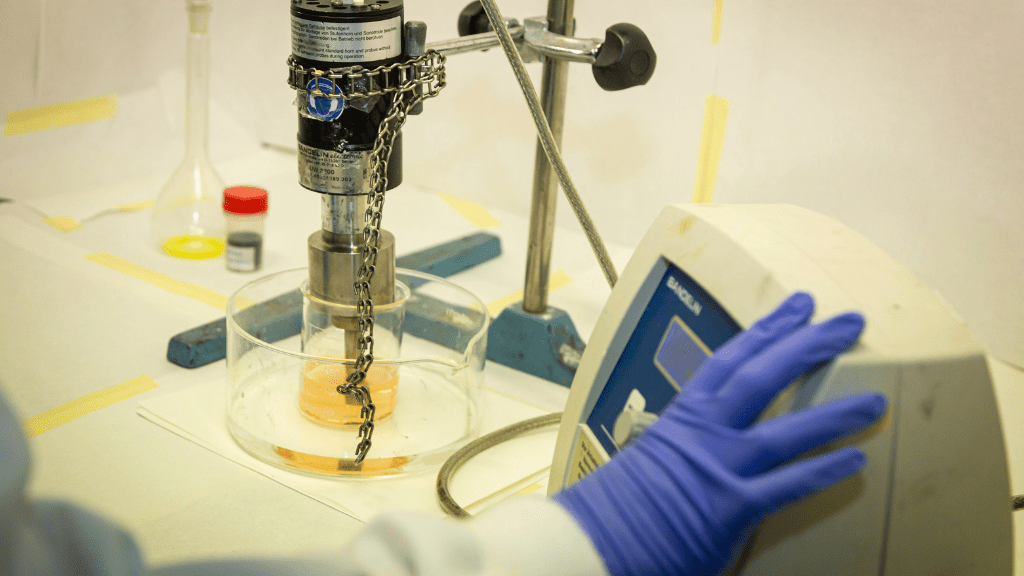
As part of this ambitious objective, CTC has made highly promising progress in developing a chemical encapsulation system that enables the controlled and precise release of fertiliser upon contact with water, whether from rainfall or irrigation. The centre’s Advanced Materials and Nanomaterials team has designed a solution based on natural precursors such as menthol and fatty acids. Initial tests suggest that the use of these compounds causes no environmental harm and may even have a positive effect on plant growth and development.
Controlled-release is a system that enables a slower, more consistent dosage of fertilisers encapsulated within nanoparticles. Thanks to nanotechnology, plants receive a steady supply of nutrients over an extended period, which helps prevent nutrient loss and significantly improves the efficiency of plant nutrition. As a target, AGRO4AGRI has set a controlled-release duration of up to 30 days, compared to conventional fertilisers, which typically release their contents within 4 to 10 days. Achieving this would help address the current issue of up to two-thirds of applied fertilisers being wasted due to the limited absorption capacity of plants.
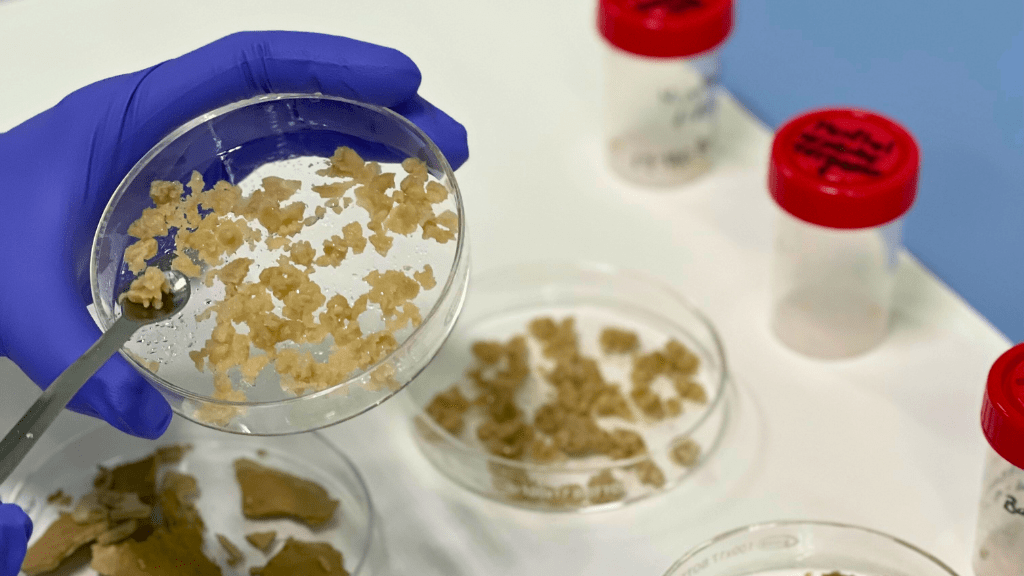
The working group led by Ángel Yedra has also made significant progress in characterising the nanotransporters, or nanocarriers, that act as vehicles for conventional fertilisers within this type of system. Thanks to the small size and high specific surface area of the particles used, such as nanoclay and porous silica, it is possible to use smaller quantities of active ingredients while still achieving the same effectiveness as current fertilisers. Researchers at CTC have already achieved an 80% impregnation rate, a notably high percentage that supports the extended, steady release of nutrients over time.
Beyond addressing population growth and the effects of climate change, AGRO4AGRI also tackles the key environmental challenges facing European agricultural practices. Its outcomes are expected to have a significant impact on critical issues, such as soil contamination and degradation, the reduction of water consumption and pollution, the improved efficiency of agrochemical use and the transition towards more sustainable food systems.
AGRO4AGRI
The Horizon Europe AGRO4AGRI project was launched on 28–29 May 2024 in the Valencian town of Paterna. With a 48-month implementation period, the initiative aims to deliver innovative and Safe and Sustainable by Design (SSbD) solutions for plant nutrition and protection, with the goal of reducing agrochemical use in agriculture and minimising their environmental impact.
The project consortium comprises twelve beneficiaries from seven different countries. Coordinated by AINIA (Spain), it includes the participation of the Technological Centre CTC (Spain), the University of Southern Denmark – SDU (Denmark), the Technical University of Denmark – DTU (Denmark), the Cajamar Foundation (Spain), the Hoogstraten Research Centre (Belgium), SIPCAM OXON (Italy), the Vienna Institute for Advanced Studies – IHS (Austria), the Galician company Syspro (Spain), the fertiliser company Mirat, and the international consultancy FI Group (Portugal and Spain). In addition, Optimat (United Kingdom) participates as an associated partner.
The research, supported by €5.3 million in funding from the Horizon Europe Programme, aims to enhance industrial competitiveness and strengthen the EU’s leadership in the agri-food sector. It is no coincidence that the project is fully aligned with current policies and initiatives such as the European Green Deal, the Common Agricultural Policy (CAP), the Farm to Fork Strategy and the Objetivos de Desarrollo Sostenible de las Naciones Unidas.