


The CTC Technology Centre and the company VBE6D are collaborating on an innovative project aimed at improving the energy management of buildings, optimising their environmental performance and enhancing the comfort of their residents. The TOOL4BUILD project focuses on nursing homes and integrates several advanced technologies into a digital twin designed to improve the quality of life for older people and reduce the energy consumption of buildings.
According to the Savills Aguirre Newman report, there are 5,417 nursing homes in Spain, 67 of which are in Cantabria. These facilities consume a total of 256 GWh/year, resulting in an annual energy cost of approximately 27.6 million euros. The implementation of this project in about 50% of Spanish nursing homes could reduce these costs by up to 10% if the expected results are reached.
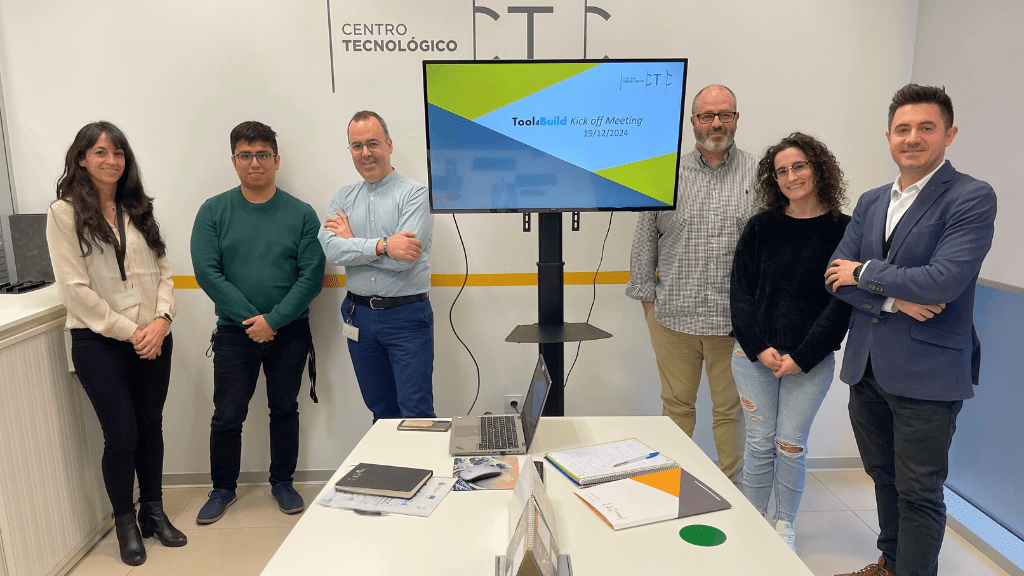
TOOL4BUILD will be deployed over the next three years, with plans to conduct a pilot test in a nursing home between the second and third years. However, the exact location for the trial remains undecided. In 2019, the Amancio Ortega Foundation entered into an agreement with the Regional Government of Galicia to open seven public residences (A Coruña, Ferrol, Lugo, Ourense, Pontevedra, Santiago and Vigo), but the specific centre for the pilot trial has yet to be determined.
Prior to testing the system in a real-world environment, the 100% Cantabrian consortium needs to advance the integration of technologies such as Open BIM, artificial intelligence (AI) and data analysis into the digital twin mode, as well as deploy and validate the system. With a budget of over half a million euros (507,709 euros), the TOOL4BUILD project is funded by MICIU/AEI /10.13039/501100011033 and by ERDF, EU.
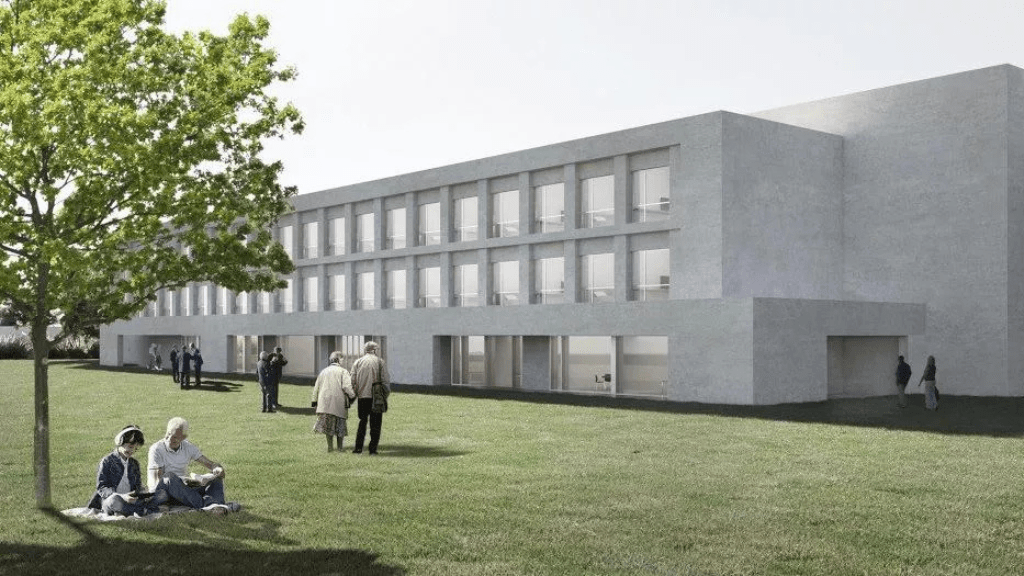
The primary aim of TOOL4BUILD is to ensure that energy and environmental optimisation do not compromise the comfort of the residents. To achieve this, with a particular focus on the well-being of older people, three interconnected systems will be developed.
The comfort performance system will use advanced BIM-AI predictive models to analyse factors such as ventilation and air quality renewal. The study and organisation of historical data, along with occupant behaviour patterns and other relevant factors, will facilitate the prediction of various parameters over different time periods, which will help tailor adjustments to meet individual comfort and preference needs. Therefore, this data-driven strategy is expected to facilitate informed decisions concerning the adjustment of heating and cooling systems, the optimised usage of household appliances and the identification of potential energy efficiency enhancements.
The energy performance system will use predictive BIM-AI models to both forecast future energy generation and assess the energy demand of buildings. It will also have an optimisation algorithm tailored to the specific capacities and energy needs of each building to recommend a suitable management plan. This approach is designed to harmonise the building’s energy consumption with its renewable energy generation capabilities, maximising energy efficiency and enhancing sustainability.

Finally, the environmental performance system will assess key factors such as CO₂ concentration, water consumption and light quality to devise a control plan that aligns with the comfort and well-being of the residents.
TOOL4BUILD is the second initiative related to intelligent building management that the Cantabrian Centre has undertaken in collaboration with the company VBE6D. Both entities are also involved in the DATAWISE project, where 16 partners from 7 European countries are collaborating to develop an advanced solution that integrates various data sources into a digital Open BIM twin, managed by artificial intelligence. This innovative proposal seeks to optimise key building aspects such as flexibility, thermal management, energy forecasting, intelligent sustainability and preventive risk assessment throughout the building’s life cycle. However, unlike DATAWISE, this research focuses on enhancing the comfort of end-users, particularly the elderly residents of the facility.
This nuance aligns the project with the principles of sustainability and efficiency as defined by the Built4People European Partnership. This partnership, which is part of Horizon Europe’s Cluster 5 (Climate, Energy, and Mobility), includes collaboration between the European Commission (EC) and two leading associations, ECTP and WorldGBC Europe, along with various stakeholders from the construction ecosystem.


