


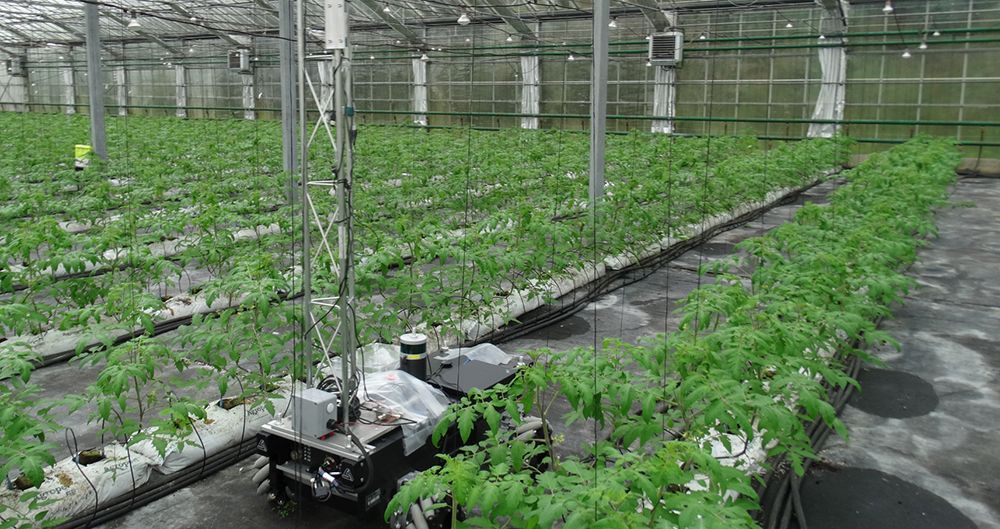
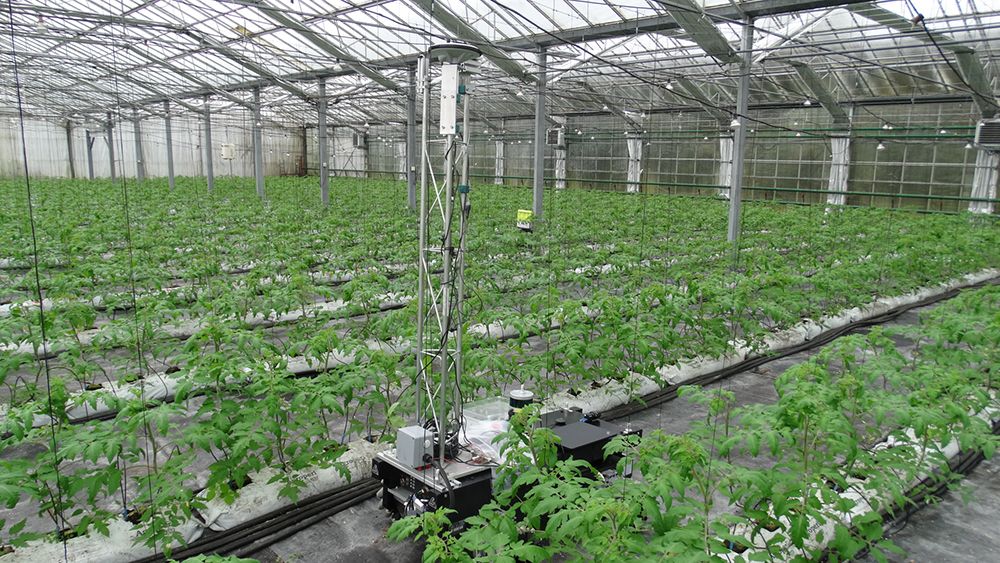
The CTC Technology Centre is developing a ground-based robotic solution designed for autonomous data collection in greenhouses. This robot will gather essential data on crop conditions, humidity, temperature and other environmental variables, serving as the foundation for the European LIFE ACCLIMATE project. This research aims to establish a new model of sustainable and efficient horticulture, strategically responding to the anticipated escalation in climate change impacts.
LIFE ACCLIMATE will pioneer the deployment of an innovative model for greenhouse management. This model will harness data and images collected by autonomous aerial and ground robots to fuel advanced systems designed for productivity prediction and resource optimisation. Integrating artificial intelligence and a decision support system embodies a holistic approach, poised to enhance crop productivity by 25% and reduce the impact of pests and diseases on plants by half.
If all targets are met, LIFE ACCLIMATE will enhance water efficiency, energy consumption and greenhouse gas emissions by 25%. The project uses precision nutrient management techniques and data mining to eliminate the use of chemical pesticides and reduce fertiliser usage by 20%.
The launch meeting, held in Almería, underscored the project’s ambitious scope, focusing its analysis on key crops such as tomatoes, peppers, lettuce and cucumbers. Given that tomato production occupies the largest area under glass in the EU, findings from tomato plantations will be particularly indicative of the project’s overall impact.
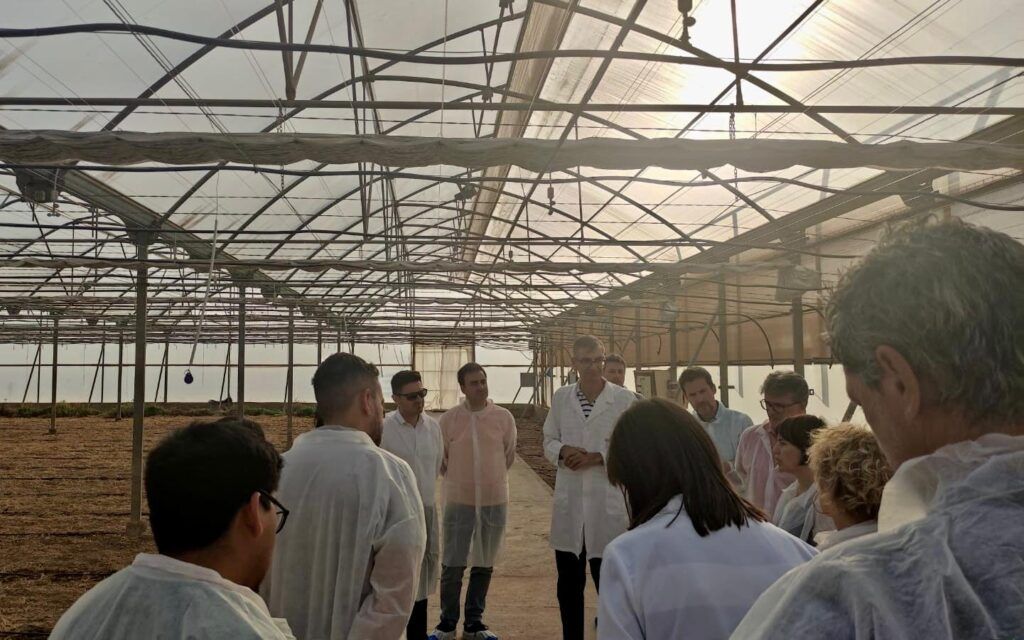
The University of Almería, leading the research, hosted the initial meeting of a consortium that includes 11 other entities. Acorde and the CTC Technology Centre represent Cantabria in this ambitious project, which is funded with 4.46 million euros and is scheduled to conclude in July 2028. This research marks the second European project under the LIFE programme in which the CTC has participated, and it is the seventh continental proposal involving the centre this year.
The experience and knowledge gained by the CTC from the Green Patrol project and advancements from the FABRICARE initiative provide a solid foundation for this new undertaking. The Navigation and Robotics team at the CTC will play a crucial role in adapting an existing ground robotic platform, which will enable the platform to autonomously capture the necessary data and navigate through mixed environments, including both indoor and outdoor conditions. They will also contribute to the implementation of the final prototype, which will be used in various demonstrators and replicators.
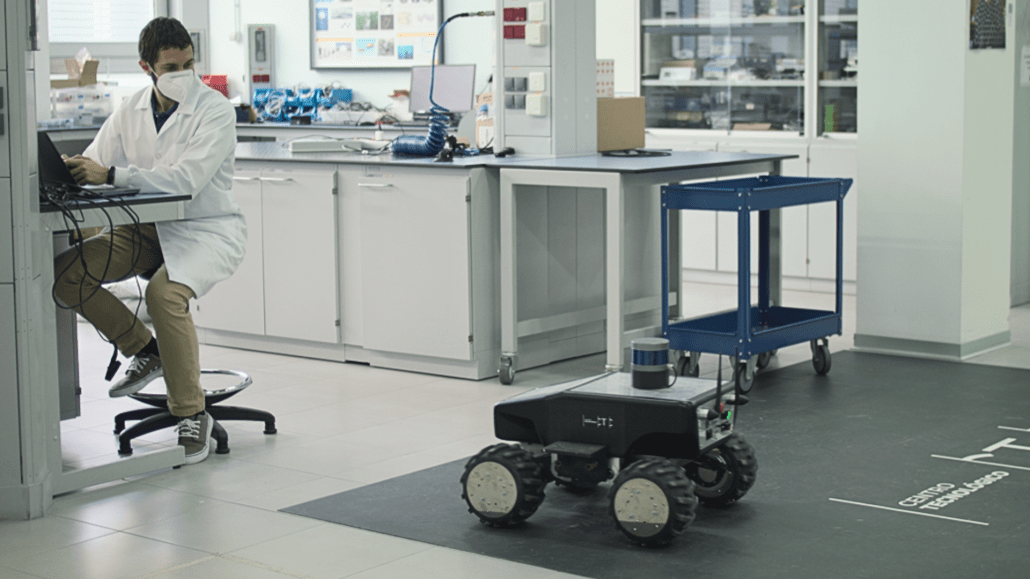
Following its development, the equipment will undergo validation in real-world environments. A strategic deployment to assess and improve the scalability of the proposed solution is planned across three different scenarios—two in Almería and one in Vizcaya.
These greenhouses differ significantly in layout, environmental conditions and structural characteristics, offering a unique opportunity to rigorously test the adaptability of the technology across varied farming setups.
Validating the prototypes across a variety of real-life environments will bolster the credibility and reliability of the solution, enhancing its appeal to future users. By demonstrating its effectiveness under various conditions, the project aims to establish a robust foundation for showcasing its customisation potential and long-term impact.
LIFE ACCLIMATE is supported by European legislation and policies that advocate for adaptation to climate change. Its aims and objectives are in sync with the European Green Deal, which seeks to facilitate the transition to a climate-neutral and resilient society.
The outcomes and insights gained from the demonstrations will advocate for the broader adoption of climate-smart greenhouse practices that will empower farmers to enhance productivity, strengthen their adaptation to climate change and expedite the implementation of sustainable and resilient farming systems.


